Think Immigration: A Civil Code, Enforced at Gunpoint
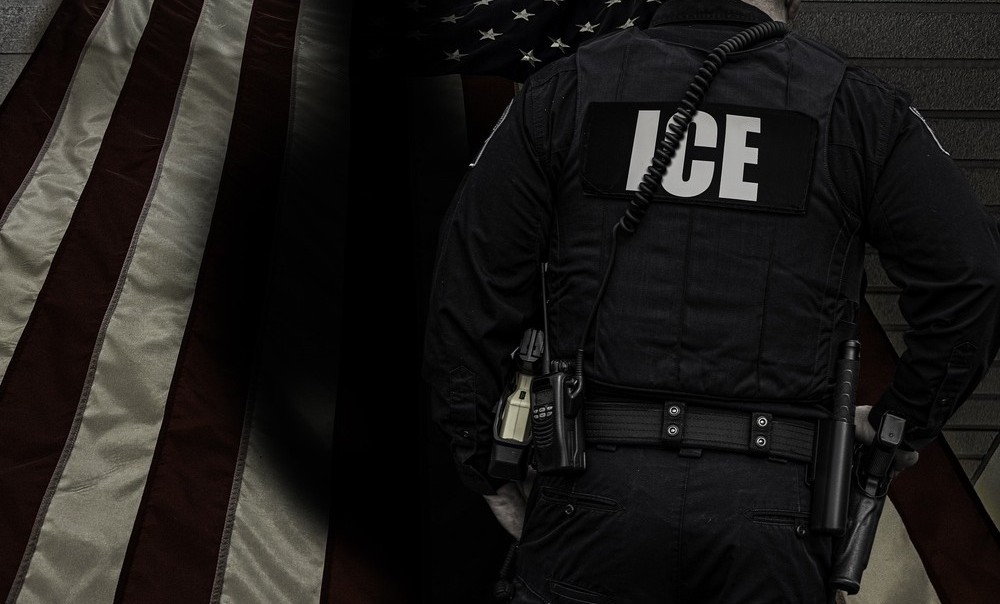
On January 7, 2026, an ICE officer shot and killed Renee Nicole Good, a 37-year-old U.S. citizen, during an immigration enforcement action in Minneapolis. Saturday, January 24, 2026, Alex Pretti was surrounded, pepper sprayed, beaten, shot repeatedly, and killed by agents. Mr. Pretti had put himself between agents and a woman an agent had violently pushed to the ground and had not drawn his lawfully registered and concealed handgun. Mr. Pretti was a U.S. citizen as well, a nurse who worked with veterans.
Since Ms. Good’s death—and again after Mr. Pretti’s killing this weekend—Immigration and Customs Enforcement (ICE) and Customs and Border Protection (CBP) continue to double down. They continue to use unlawful stops and seizures and unlawful, excessive force against people in their path, including Americans exercising core First Amendment rights, and they have done it without regard to immigration status. And when these encounters end in death, the federal response is the same: immediate, self-serving narratives that do not match what the public can see with their own eyes.
This is not a freak occurrence. It is the predictable outcome of the loophole Congress has normalized—arming a civil enforcement agency with criminal-style power while insisting the Constitution counts for less because the code being enforced is “civil.”
Start with what Congress has authorized. Federal law authorizes immigration officers to carry firearms. Federal law also authorizes immigration officers to interrogate any person believed to be a noncitizen about that person’s right to be or remain in the United States. On the street, that means an agent can walk up, start asking questions, and ask to see identification or papers. That power is supposed to remain civil only so long as it is consensual—so long as you are free to end the encounter and walk away.
But Department of Homeland Security (DHS) regulations push civil enforcement into street-policing territory. They borrow the concept of reasonable suspicion, a Fourth Amendment standard developed in, you guessed it, criminal procedure. Reasonable suspicion is a lower justification than probable cause: it can support only a brief, limited investigative stop, while probable cause is generally required for an arrest or a warrant. Separate regulations also spell out when designated immigration officers may use deadly force. Those are policing powers. They involve the potential deprivation of liberty and, in the worst case, life.
Now compare those powers to the missing protections.
In criminal court, the Constitution builds in friction because the government is trying to take someone’s liberty. Indigent defendants get appointed counsel. Custodial interrogation triggers Miranda warnings. Illegally seized evidence is generally suppressed.
In immigration court, the government insists it is different because it is civil. The immigration statute provides a right to counsel, but explicitly at no expense to the government. In most cases there is no government-appointed lawyer, even when someone is detained or is a child. Miranda is another example: courts have held Miranda’s exclusionary rule does not operate in civil removal proceedings the way it does in criminal prosecutions.
Most glaring is suppression. In INS v. Lopez-Mendoza, the Supreme Court held the exclusionary rule generally does not apply in deportation proceedings. In plain terms, an unlawful stop or arrest often does not do what it does in criminal court: it does not reliably keep the government’s evidence out.
Add another reality the public rarely understands: ICE routinely relies on administrative warrants signed inside the agency, not search warrants issued by a judge. Administrative warrants do not authorize forced entry into a home, yet they are often used in ways that blur that line. And because suppression is so limited in immigration court, even unlawful conduct can be hard to remedy.
Detention makes the inversion impossible to ignore. Immigration detention is civil, but it looks and feels like jail because it is jail. Congress created mandatory detention categories that strip bond for many people even though the proceeding is labeled civil. For others, release is discretionary, meaning the person is jailed first and fights for freedom later. Then come transfers: people are moved across state lines to faraway private, for-profit prisons, severing access to counsel and family in the critical first days.
Minnesota is showing the country what this looks like in practice. On January 12, 2026, Minnesota’s attorney general, joined by the cities of Minneapolis and St. Paul, filed suit in federal court seeking to block what DHS calls Operation Metro Surge. On January 26, 2026, the federal court held a hearing on Minnesota’s request for emergency relief and ordered further briefing. The complaint accurately describes the massive deployment of federal immigration agents and subsequent unconstitutional conduct, including excessive force, racial profiling, and masked operations. Here, the constitutional point is not complicated: civil enforcement cannot be turned into militarized street policing while the government claims fewer civil rights attach.
This machinery was built over decades. Congress hardened detention and deportation in 1996. ICE was created in 2003. And in 2025, Congress enacted the One Big Beautiful Bill Act, a massive infusion of immigration enforcement funding that was openly touted as fueling large increases in personnel and detention capacity. You do not get militarized civil enforcement by accident.
Here is the line we need to draw plainly. If immigration enforcement is civil, it must look civil: transparent, notice-driven, and judge-centered. No masked street operations for civil paperwork. No brandishing of firearms with no imminent threat of harm. No disappearing people overnight to distant detention.
And if the government insists on enforcing a civil code with armed tactics, then courts and lawmakers must stop pretending the civil label justifies fewer protections. Close the loophole: real Fourth Amendment constraints with real remedies; visible identification; body-worn cameras; strict rules on home entries; meaningful limits on warrantless arrests; and limits on transfers designed to cut people off from counsel.
Civil law is not a back door to a police state. When the government uses guns and prisons to enforce paperwork, it should not get to sidestep the Constitution.
About the Author:
