Think Immigration: How the Trump Administration is Making Coming to the U.S. Harder for Africans
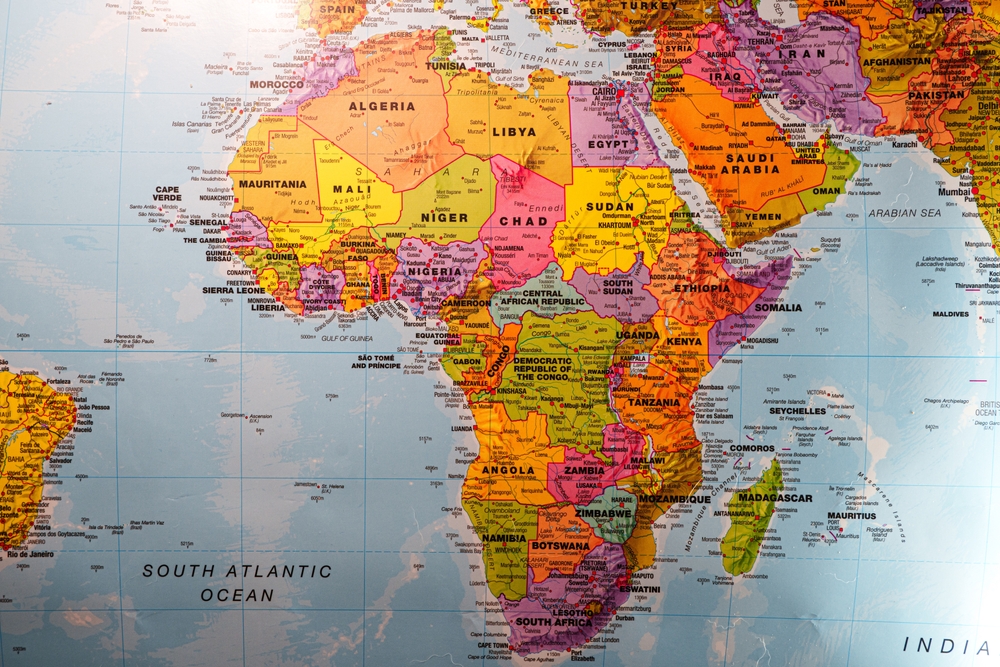
Last month, the U.S. Department of State published an announcement on African visa hubs, a framework that appears to leave many practical burdens on applicants while providing only limited remedies. The Department has stated that applicants from non-hub countries must apply at their designated regional hub and pay the applicable fees there. The FAQ is silent about alternative processes for applicants in countries facing conflict, political instability, travel restrictions, or limited transportation infrastructure who cannot obtain a visa or admission to the hub country or do not have the resources nor time to travel. For these individuals, reaching a designated hub may be extraordinarily difficult. Based on the July announcement and FAQ, affected individuals "must schedule an appointment" at the designated hub post.
If you’re thinking it might be a financial hardship for people to leave their country entirely in an effort to get a visa processed, you’re right. I’ve been asked if there’s any recourse for affected individuals.
The reality is that the Immigration and Nationality Act does not require the government to subsidize costs of visa processing, so financial hardship alone is unlikely to create a legal entitlement to alternative processing. Congress created visa categories so that eligible individuals could pursue lawful immigration pathways. When applicants must travel internationally, obtain entry permission to a third country, pay for transportation and lodging, and navigate security and border restrictions simply to attend a visa appointment, those pathways become illusory for many families. A legal pathway is only meaningful if people can realistically access it, and when the government erects barriers to accessing visa services, the policy is obstructive because it disconnects the public from these essential services, and it also becomes vulnerable to legal challenge as arbitrary and capricious.
I’ve also been asked what sort of options there are for folks to expedite processing if consular services are no longer available in the applicant’s home country. Again, a disappointing answer is that it seems there are few exceptions to expedite the process. While the Department states that it will maintain third country processing for humanitarian, medical, foreign-policy, diplomatic, and certain residence-based situations on a limited basis, it hasn’t created a waiver mechanism for applicants who are unable to obtain a visa to the hub country, who face border closures or security concerns, or who are otherwise unable to travel to the designated location.
The State Department's July 2026 FAQ does not identify new expedited-processing criteria for reassigned applicants. Based on past practice, the Department has granted expedited requests for medical or humanitarian emergencies or national interest matters, but whether that practice will extend to the hub model remains unanswered.
Another grim reality is that if dozens of countries have to rely on fewer central consulates, there is a risk of immense backlogs as consular officers may be overwhelmed. If you are facing that sort of situation, it may be possible for your attorney to potentially litigate, making the claim that unreasonable delays and constructive denial of access to visa services.
The bottom line is that this policy will expose applicants to months or years of delays and create practical barriers that will lead to family separation, workforce disruption, and loss of immigration benefits for spouses of U.S. citizens, children waiting to reunite with parents, students, temporary workers, and others pursuing congressionally authorized immigration benefits.