Think Immigration: The 2026 World Cup – A Missed Opportunity for America
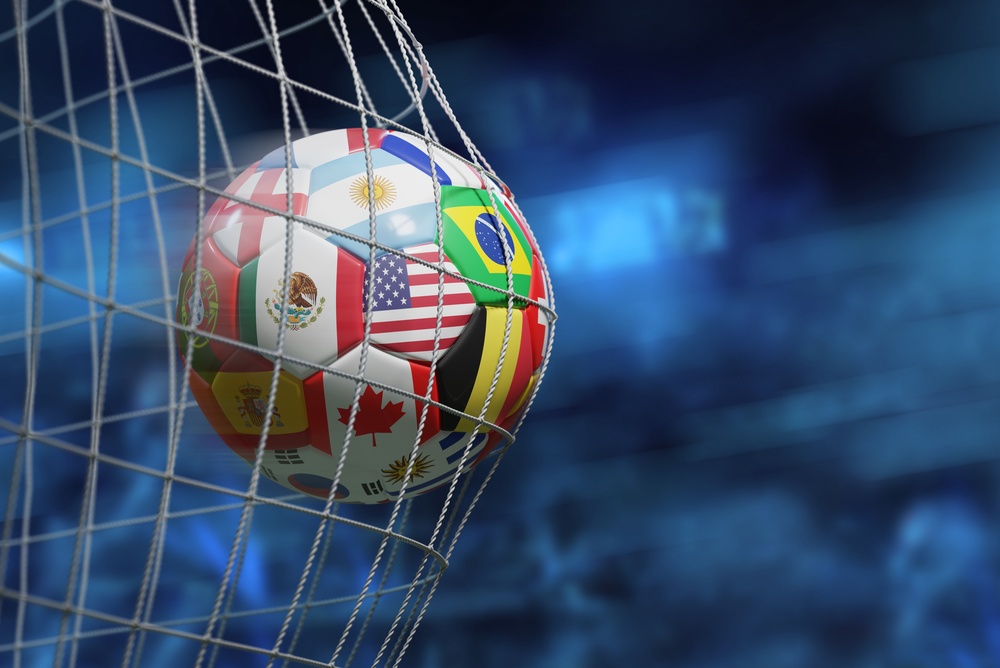
Massive sporting events provide an opportunity to take a macro-view of where we are as a country and the way the world perceives us. And, when it comes to sporting events, nothing garners the world’s attention like the FIFA World Cup. FIFA’s post-tournament analysis of the 2022 World Cup in Qatar estimated that approximately 1.42 billion viewers - almost 20% of the world's population - took-in the final between France and Argentina. This figure is more than 11x Super Bowl 59's (Eagles vs. Chiefs) record viewership of approximately 127.7 million.
This global attention stems from the trite yet nevertheless true statement that the World Cup is more than a sporting event. It is a global celebration that brings together cultures, commerce, and communities in a way few other events can. It creates billions of dollars in economic activity, fills hotels and restaurants, showcases cities to international audiences, and leaves behind infrastructure and goodwill that can last for generations. For the United States, co-hosting the 2026 World Cup should have been the perfect opportunity to demonstrate American leadership, hospitality, and openness to the world. In addition, with the World Cup taking place in 2026, the 250th anniversary of this country should have led to fanfare and pro-Americana rarely experienced on a global stage. In fact, the World Cup is 100% on brand with an administration that loves sports and sees a huge value in sports diplomacy.
Instead, it has become an illustration of how conflicting policy priorities can dampen even the greatest opportunities.
To be fair, the federal government deserves credit for much of its preparation. Agencies across the government have coordinated security planning, transportation logistics, customs processing, and interagency cooperation on an unprecedented scale. As a member of the AILA CBP Liaison committee, we have heard numerous times how much effort and resources have been poured into having a smooth event from officials at the Department of Homeland Security to the Department of State. In addition, host cities have invested heavily in infrastructure improvements, transit planning, and public safety. Local organizing committees have worked tirelessly alongside FIFA to ensure stadiums, airports, and surrounding communities are ready to welcome millions of domestic and international visitors.
From a logistical standpoint, the United States has shown that it can host an event of this magnitude, and so far, has certainly answered the call when it comes to the 2026 World Cup. International teams and fans are getting processed quickly at Ports of Entry, and the Department of State even set up special protocols to expedite visa issuance. There have been issues given the myriad changes in policies from the Trump Administration, including thus far many countries’ fans unable to come due to the visa bond requirement (sympathetic news coverage about the Cape Verde goalkeeper’s mom led to her being granted a bond waiver), and a referee from Somalia being denied entry. But generally, logistics seem to be working.
The problem is that logistics alone cannot overcome perception and this is where the massive contradiction that has been the United States on immigration lies – the wants of the commerce and sports diplomacy cannot fully outrun the 18 months of anti-immigration rhetoric and ill-placed policies.
For much of the world, America’s immigration and border policies have become synonymous with uncertainty. Heightened enforcement actions and the threats of ICE lurking at games, aggressive language surrounding immigration, expanded travel restrictions, having to pay those visa bonds depending on what country you are from, and fears about visa processing have created an environment in which many potential visitors simply decided not to come. Reports leading into the tournament have documented lagging international bookings, disappointing hotel occupancy rates in host cities, and weaker-than-expected international flight demand despite what should have been one of the largest tourism events in American history. Industry groups have reported hotel reservations falling well below projections, with some destinations experiencing dramatic shortfalls compared to expectations. The Hotel Association of New York slashed revenue expectations by 60% and FIFA cancelled reservations for 75% of the 5,000 rooms per game night it reserved months prior in Kansas City, while airlines and hospitality companies have similarly noted weaker-than-anticipated international demand in some cities and high demand in others. In addition, through June 15, 7 of the 10 games played within the United States, collectively, featured thousands of empty seats.
The irony is striking.
The World Cup represents exactly the kind of temporary, lawful international mobility that should be celebrated. Fans arrive, spend money, experience American culture, and then return home carrying positive impressions of the United States. Every visitor fills hotel rooms, dines in local restaurants, rides public transportation, shops in local businesses, and supports thousands of jobs.
These visitors are not merely spectators. They are ambassadors. Historically, mega-events like the Olympics and World Cup function as exercises in soft power. They allow nations to reshape narratives, attract investment, encourage tourism, and build lasting relationships that extend well beyond the final whistle. Countries spend years competing for hosting rights precisely because the benefits reach far beyond sports.
And, from the first two weeks of the Cup, the positive social media from fans around the world coming to the United States have gone a long way in strengthening the “American Brand”. In fact, TSA had to make a special announcement about traveling with ranch dressing because its “discovery” has become so popular among international FIFA fans. But it could have been so much more. Many international visitors apparently concluded that visiting the United States simply was not worth the uncertainty.
Some of these challenges are undoubtedly attributable to expensive tickets, inflation, and complicated travel logistics. But to pretend immigration policy played no role ignores reality. Visa delays, concerns over enforcement, and an international perception that America is increasingly unwelcoming have combined to dampen enthusiasm among exactly the audience the World Cup was supposed to attract.
That represents a profound missed opportunity. America had the chance to remind billions of people why it remains one of the world’s most dynamic destinations – a reminder that despite wanting greater border security, we remain a nation of immigrants. Perhaps the greatest tragedy is that these goals (border security and lawful immigration) were never mutually exclusive and, unfortunately, no amount of FIFA goals scored will replace these undertones.
The United States has always been at its best when it can do both – when it protects its borders while extending a hand to those who come lawfully for protection, to unite with family, to work, to study, to invest, or to simply experience what makes this country extraordinary. The World Cup should have been a celebration of that confidence. Instead, it became a reminder that perception matters as much as policy, and that even the greatest opportunities can slip away when the world no longer feels invited.
As the games play on and the excitement continues to build and build, hopefully the administration will be reminded of this balance that we can strike and the administration will recognize that it can and should do better – because another opportunity is right around the corner with the LA Summer Olympics about two years away.
About the Author:
