Think Immigration: The Vote We Owe One Another
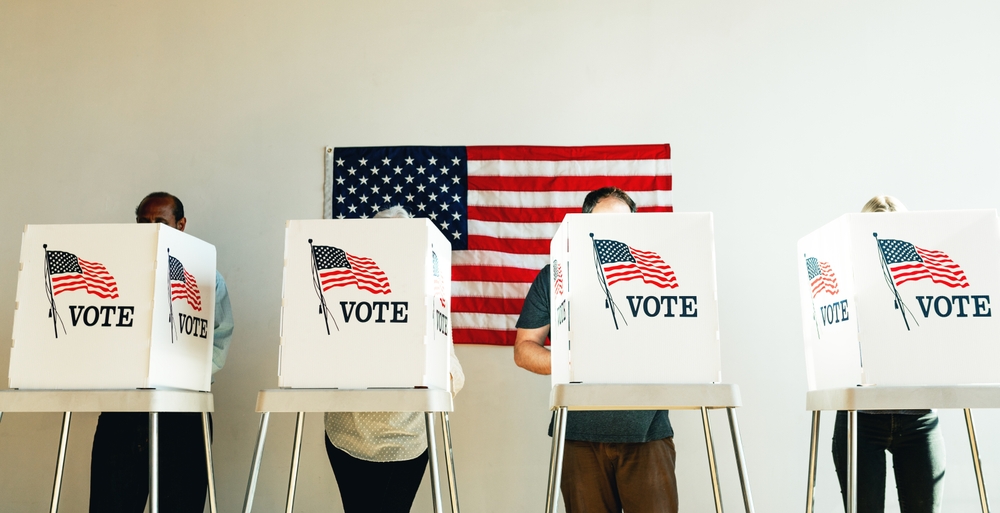
The other day, I heard someone on a radio program say that they did not plan to vote for either candidate in a pivotal Senate election. Instead, they planned to leave that part of their ballot blank. In other words, a no-vote was their “preference.”
This led me to recall a fable I had once read called, The Belly and Its Members. It is a simple story—the various parts of the body grow annoyed with the belly. They are not happy with its place in the “food chain.” Why feed it when all it appears to do is sit idly and enjoy the fruits of others’ labor? They resort to exercising their “preference” to strike. But they quickly discover that without the stomach, the entire body fails.
We often talk about voting as if it were a personal preference, like choosing one brand over another or whether to get extra foam on your coffee But a ballot is not supposed to merely be a preference. It is a duty that we owe to ourselves, to our fellow citizens, and to posterity. Some may even argue that it is patriotic to cast one’s ballot. What we do with it reaches far beyond the voting booth, touching people whose names—however hard to pronounce—are now and forever part of this beautiful country.
That is why voting is about more than personal preference. It is a responsibility we share. Self-government only works when we participate and, more importantly, are willing to look beyond our own preferences or interests.
Like the Aesopian tale described earlier, we must think collectively towards the common good to ensure we do not end up causing harm. We need to set aside what potentially makes us individually comfortable and look at what will make the future brighter and offer a better life to those who come after us. This is far from easy, because it requires rising above certain emotional triggers that play on personal grievance, party loyalty, and ingrained prejudice. But the alternative is what has led us to where we are today: a divided nation.
Perhaps, we should ask whether this is the version of ourselves that our children and their children would be proud of. These are not lofty idealistic questions, but ones that each generation before us has grappled with and answered.
Even the Founding Fathers struggled to find a way to ensure the American experiment would last beyond their lifetimes. In fact, George Washington presciently warned us about populist excesses usurping the democratic process in his farewell address, “However [political parties] may now and then answer popular ends, they are likely in the course of time and things, to become potent engines, by which cunning, ambitious, and unprincipled men will be enabled to subvert the power of the people and to usurp for themselves the reins of government, destroying afterwards the very engines which have lifted them to unjust dominion.”
Our foundational document, the Declaration of Independence, names “Life, Liberty and the pursuit of Happiness” among our unalienable rights. The Constitution creates the democratic framework through which “We the People” seek to form “a more perfect Union.” Neither promise stands alone. Both depend on our willingness to protect freedom not only for ourselves, but for one another.
Today, our democracy depends on both participation and representation.
The ballot may be a simple tool, but it carries the weight of the generations who fought for our right to use it and of the generations who will live with the choices we make. As immigration attorneys, we see how public decisions shape people’s lives. We owe it to our clients, our communities, and our country to exercise our right to vote and to remain engaged in the struggle over what kind of nation we will be.
So, this Tuesday, vote—not as if you were ordering a grande macchiato with soy milk and honey, but as a citizen whose choice affects other people. Celebrate your citizenship by learning what is at stake and testing claims against facts. Rejecting past appeals to anger or fear, consider how your vote is likely to affect the defenseless, the vulnerable, the unrepresented, and those who will inherit the future. Then make the best judgment you can for the whole country.
As we cast our vote, the choice is ours, and it can affect everyone’s future.
About the Author:
