Think Immigration: Keeping America Great: Immigrants Defending and Protecting the United States Through U.S. Military Service
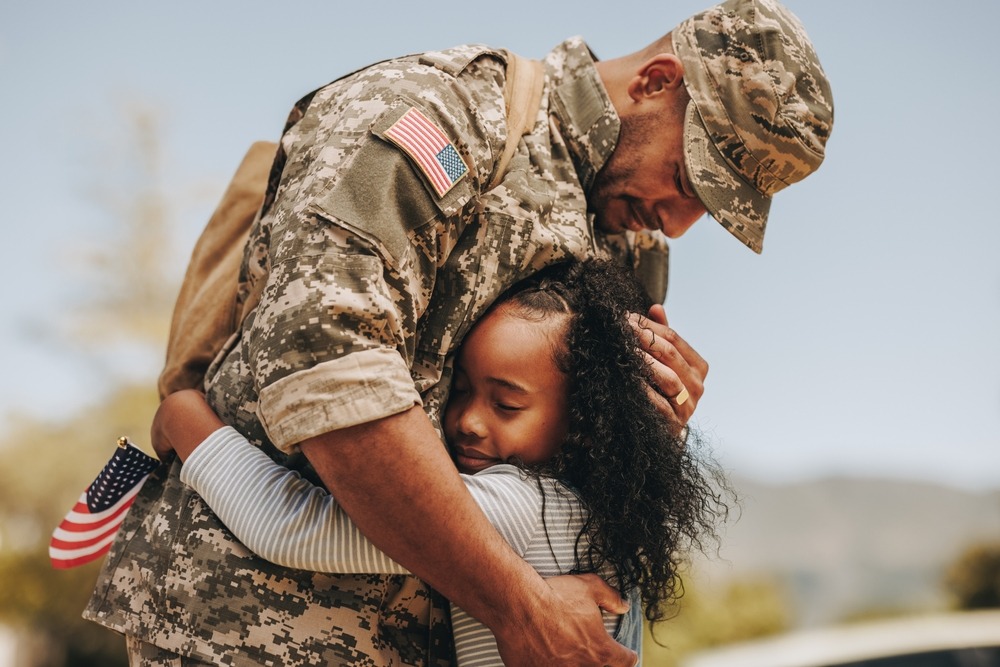
To say that my time as the American Immigration Council’s Morgan Lewis Military Immigration Fellow came during a memorable moment between the intersection of the U.S. military and the execution and enforcement of U.S. immigration law would be an understatement. Sensationally, the current administration has repeatedly utilized the military for immigration enforcement, whether by summarily firing existing civil immigration judges and appointing military lawyers in their stead, or sending militarized forces into cities perceived by the administration as too friendly to immigrant populations. Given this reality, it may be surprising that my interaction with the various immigration officials handling military immigration cases during the Fellowship was positive. It certainly was to me.
Most immigration lawyers know that all immigrant men between 18 and 26 are required to register for the Selective Service and are subject to the military draft, even if they entered without inspection. But many people, including immigration lawyers, are surprised to learn that non-citizens have been permitted to enlist in the U.S. military for 250 years. In fact, no uniform rule governed enlistment of immigrants in the Armed Forces until 2006, when Congress largely limited enlistment to three main categories: U.S. citizens (nationals), lawful permanent residents and citizens of some countries covered by certain international agreements, and those whose enlistment is “vital to the national interest.” This latter category authorizes service by individuals irrespective of immigration status. 10 U.S.C. § 504(b)(1), (2).
Consequently, Federal law, military practices, and global politics have shaped the reality that hundreds of thousands of foreign-born persons have served honorably in the United States military. And not only as interpreters – they serve in myriad capacities, from officers to medics to interpreters to combat roles. Moreover, the foreign-born serve while having a much lower attrition rate than U.S. citizens.
Military service was and still can be a legal “silver bullet,” for both service members and their immediate family members when it comes to immigration law. In 1862, Congress authorized expedited citizenship for immigrants who serve in the military, and current law still provides an expedited pathway to citizenship for U.S. servicemembers as well as veterans. The provisions are generous and forgiving—for example, the only firm barrier to naturalization for service during wartime is an aggravated felony conviction. A deportation order, multiple unlawful entries, the permanent bar, a lack of a green card, and other criminal history do not necessarily prevent naturalization.
Despite the tectonic shift in many areas of immigration law during the current administration, some long-standing practices like military parole-in-place, military deferred action, and expedited adjudication for some applications filed by service members and their families are lawful pathways and these benefits are still being granted. This is not without precedent. For decades, the United States immigration services recognized that servicemembers face difficult separations from families, and that adverse immigration policy and regulatory interpretation undermines military readiness and imperils national security.
Despite the overall bleak immigration landscape, I was fortunate as the Fellow to be part of many success stories. Some were big, like getting an NTA dismissed or a long-revoked green card reinstated or getting thousands of dollars back that had been wrongfully garnished from a military member’s wages. Some were small, like advocating for and receiving a same-day oath for a U.S. military veteran who had to leave the United States in two days. During my Fellowship, most USCIS officers (albeit with a handful of memorable exceptions) handled the military clients’ cases fairly, treated the applicants with respect, and adjudicated applications in a timely manner. Officers certainly committed errors (sometimes intentionally, I venture), but, with a strong network of advocates and tenacious effort, most errors were fixed.
Most Americans know that soldiers commonly struggle and grapple with social challenges upon a return to civilian life, particularly after a deployment involving combat. Many veterans face homelessness, struggle with substance abuse, or have negative interactions with the legal system due to service-related physical and mental health conditions. Unfortunately, the black letter immigration law does not provide for an exception to deportation based on U.S. military service. As a result, hundreds of honorably discharged members of the U.S. Armed Forces have been, and continue to be, deported. You may have seen Purple Heart recipient and deported veteran Sae Joon Park’s recent testimony to Congress, directly contradicting Secretary Noem’s claim that no combat veterans have been deported under her tenure. The dedicated service of this group of military veterans was basically erased from the collective memory during their lifetime. Tragically ironic is the fact that they are permitted to lawfully return to the United States upon death for their own military funeral—albeit in a body bag.
One positive takeaway I have from the Fellowship is the overall level of support offered to foreign-born servicemembers by their chain of command and their fellow brothers and sisters in arms. Their immigration status did not affect their willingness to advocate for them against the immigration authorities. Indeed, the line members of the national defense apparatus with whom I interacted as a direct advocate steadfastly advocated for individuals who supported America’s mission at home and abroad, irrespective of citizenship status. These servicemembers keep America great through their common mission.
About the Author:
