Think Immigration: What Would Dolly Do? Carrying Her Compassion into Immigration Advocacy
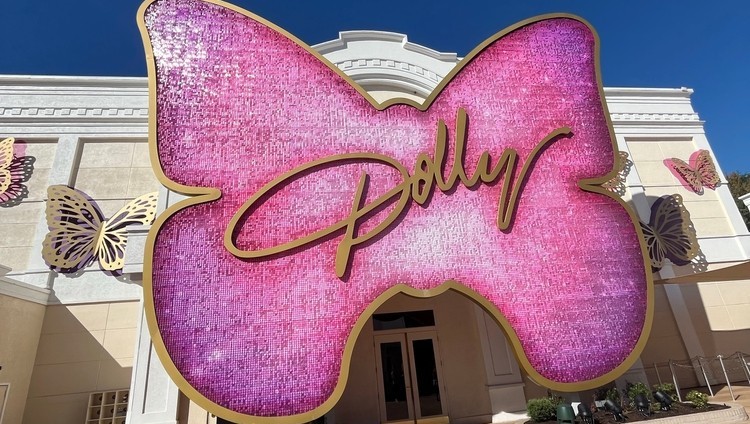
Here in Tennessee, we often ask ourselves “W.W.D.D?” (What Would Dolly Do?) For those of us who recognize the dignity, courage, and contributions of immigrants, that question feels both personal and urgent. While Dolly Parton’s life offers no recent obvious immigration platform or policy blueprint, it offers something more enduring: an example of how to meet difficult moments with compassion, conviction, generosity, and hope.
Since Dolly’s passing, Tennesseans and admirers around the world have reflected on a legacy that reached far beyond music. We remember her devotion to literacy through the Imagination Library, her loyalty to the Smoky Mountains, her remarkable work ethic, and her instinct to use success in service of others. She brought people together because she began with human dignity. She made room for joy without ignoring hardship, and she showed that tenderness and strength are not opposites.
A Song That Restored People’s Names
I have long believed that Dolly’s life reflected a generous and inclusive vision, but for years I did not know where immigration fit into her story, aside from Dollywood’s use of the J-1 cultural exchange program for seasonal workers to help them with the summer busy season. Then, while exploring her catalog to make a niche playlist for one of my best friends, I discovered that in 1980 she recorded Woody Guthrie’s Deportee (Plane Wreck at Los Gatos) for her album 9 to 5 and Odd Jobs. The discovery felt both surprising and entirely consistent with the Dolly so many of us already knew.
Deportee was inspired by a 1948 plane crash near Los Gatos Canyon, California, that killed 32 people, including 28 Mexican farmworkers being returned to Mexico. Early reports named the crew members but reduced the Mexican passengers to a single label: “deportees.” Guthrie was disturbed that people whose labor helped feed the nation could be denied even the dignity of being remembered by name. His response was to insist that they be seen as individuals with families, histories, hopes, and dreams.
Dolly’s decision to include Deportee on 9 to 5 and Odd Jobs makes the recording especially meaningful. This was an album about the American workforce, about labor, opportunity, frustration, and the desire to be treated fairly. By placing migrant farmworkers within that story, Dolly affirmed a truth immigration advocates know well: immigrant workers are workers, immigrant families are families, and immigrant dreams are part of the American story.
That connection remains powerful today. Immigrants harvest food, care for loved ones, build homes, staff hospitals, open businesses, create art, raise children, and sustain communities across the country. Those of us who work alongside immigrant communities do not need to be persuaded of their value. We witness it every day. Our challenge is to ensure that familiarity never becomes complacency and that appreciation continues to move us toward action.
The lesson of Deportee is not simply that labels can wound. It is that names matter, stories matter, and remembrance matters. Immigration systems often reduce people to numbers, case types, deadlines, and categories. Advocacy restores what bureaucracy can obscure. It says: this person is more than a file. This family is more than a statistic. This worker is more than the labor others benefit from. This client’s future is worthy of attention, care, and a determined defense.
We cannot know exactly what Dolly would say about every immigration debate of our time. We can know what she repeatedly chose to embody: compassion without condescension, generosity without spectacle, and strength that did not require cruelty. She understood the dignity of work and the power of giving people the tools to imagine a better future. Those values belong at the center of how we serve immigrant communities.
Carrying Compassion Forward
For immigration attorneys and advocates, this moment asks more than admiration. It asks us to keep showing up. The work can be exhausting, especially when policies shift, institutions strain, and human consequences are treated as abstractions. Still, our clients entrust us with their names, their families, and their stories. Honoring that trust means preparing carefully, speaking clearly, challenging injustice, and refusing to let anyone’s humanity disappear beneath a label.
So let us take Dolly’s example with us into the turbulent days ahead. Let us be resilient without becoming hardened, fierce without losing tenderness, and persistent without surrendering hope. Let us protect our capacity to listen, care, laugh, create, and dream, because softness is not weakness. It is often what keeps advocacy human. Every time we defend a client’s dignity, tell the story behind a case number, or help a family imagine a future beyond fear, we carry forward the values Dolly embodied. That is how we continue the fight. That is how we leave something good in every day.
