Think Immigration: The Administration’s Episode of Revisionist History (Takeaways from Trump v. Barbara Oral Argument)
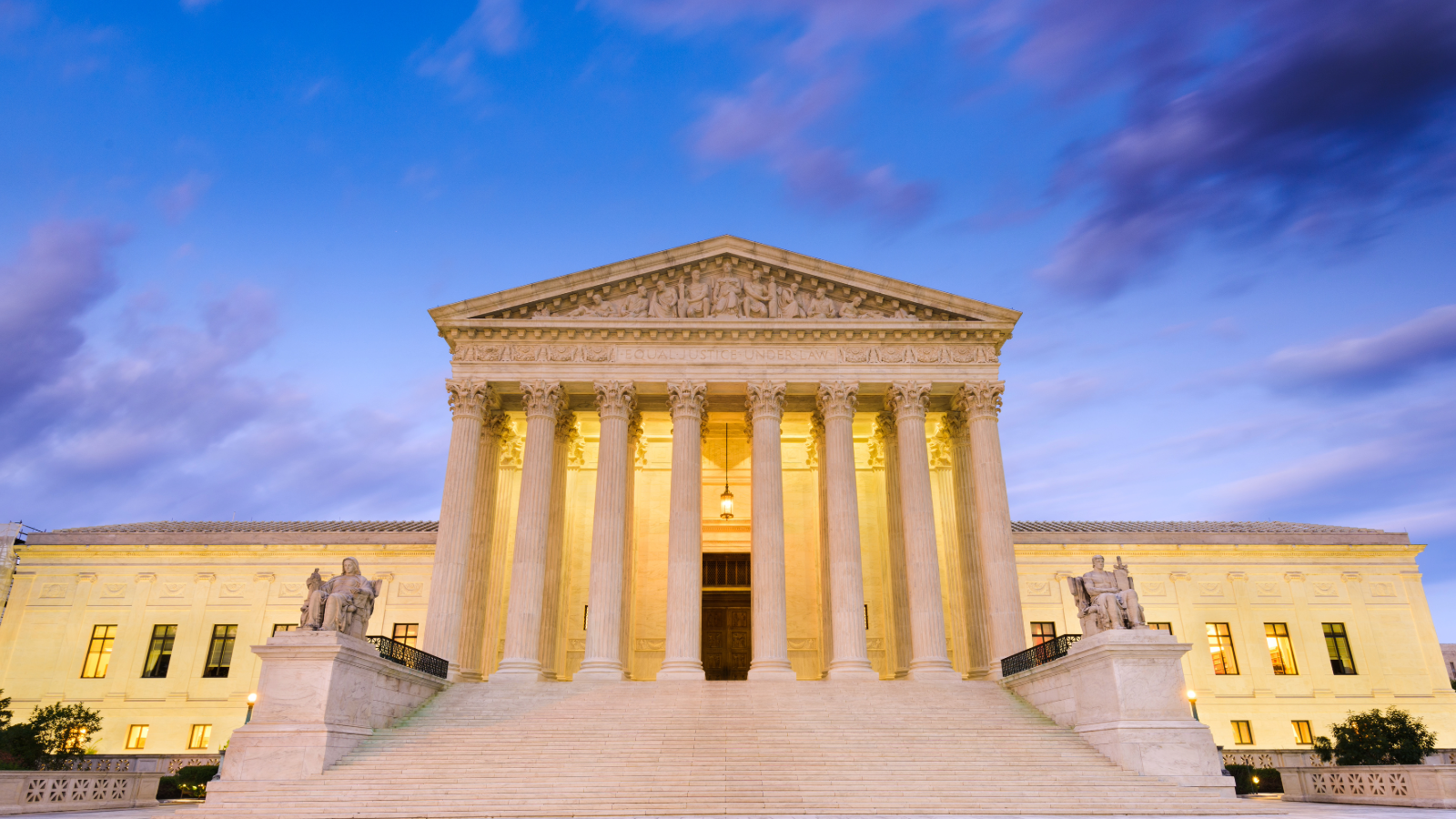
I showed up thirty minutes late to the most consequential immigration argument of the decade, because I was where I almost always am: in immigration court, doing the same thing I do every week: fighting for a client in an unforgiving system. By the time I logged in, Solicitor General Sauer was already deep into what felt like an exercise in revisionist history — an elaborate attempt to rewrite the meaning of the Fourteenth Amendment, untethered from the text, its precedent, and the lived reality of American citizens for generations. If General Sauer’s argument wins the day, many children born in this country could ultimately find themselves trapped in that unforgiving system.
President Trump was in the courtroom, too—the first sitting president to attend oral arguments at the Supreme Court. The optics were unmistakable: the same executive who signed Executive Order 14160 on his first day back in office, sitting in the gallery while his Solicitor General tried to convince nine justices that 150 years of settled constitutional law got it wrong. This Administration has a knack for asking us not to trust our lying eyes. Thankfully, the Court did not seem impressed.
Sauer’s Uphill Battle
Sauer’s core argument is familiar at this point: the Citizenship Clause’s requirement that a person be born subject to the jurisdiction of the United States requires something more than territorial presence and amenability to American law. In the government’s telling, children born to undocumented parents or those on temporary visas fall outside the Clause’s protection because their parents lack the kind of permanent allegiance that supposedly triggers jurisdiction.
The Justices were not buying it—on either side of the ideological aisle. Justice Kagan called the government’s reading revisionist. Justice Gorsuch appeared to agree, pointing to statements from a dissenting justice in United States v. Wong Kim Ark that undercuts the government’s position. Justice Kavanaugh asked the obvious question: if the Framers of the Fourteenth Amendment wanted to limit birthright citizenship, why did they choose different language than the Civil Rights Act of 1866, which used the phrase not subject to any foreign power? Both were debated by Congress in 1866. Justice Barrett zeroed in on the executive order’s attempt to carve a path between jus sanguinis and jus soli—and asked, reasonably, why the Framers wouldn’t have said so if that were the rule. And Justice Jackson drove it home: why is there nothing in the Fourteenth Amendment about the parents?
Wang’s Turn—and the Domicile Question
ACLU attorney Cecillia Wang argued that Wong Kim Ark settled this question over a century ago and that the executive order’s attempt to redefine the Citizenship Clause is flatly unconstitutional. She invoked not only Wong Kim Ark but also Lynch v. Clarke, which held that a child born in the United States and taken back to Ireland remained a U.S. citizen.
But the Justices—conservative and liberal alike—pressed Wang on one recurring theme: domicile. Chief Justice Roberts asked why the word domicile appears so frequently in the Wong Kim Ark opinion if it doesn’t carry legal significance. Justice Kagan raised it. Justice Alito practically yelled about it. Justice Gorsuch called legal commentators’ treatment of domicile a mess. Wang’s answer was sound: domicile appeared in the case because it was part of the stipulated facts, not the holding.
The Hot Take
Here’s what I think, and I’ll own it later if I’m wrong: the Administration loses this case, and it probably isn’t close.
The focus on domicile felt familiar to me. Last year, I argued a case before the Fourth Circuit and walked out of that courtroom more confident than I have after any oral argument in my career. The reason: the panel kept pressing on the same arguably minor legal point. When judges focus their fire on one narrow issue and leave the rest alone, it usually means the rest is decided. I won that case. I had the same feeling today.
The government’s theory requires the Court to accept that the authors of the Fourteenth Amendment were not drawing on the English common law rule of jus soli—that everyone born on the soil is a citizen. As Justice Jackson noted, that’s a lot of hurdles. We already recognize dual and even triple citizenship in this country. To argue, as the government does, that allegiance to a foreign sovereign somehow strips a child born on American soil of American citizenship is to ignore the legal framework we have actually built. Even a visitor to this country is subject to its laws—Justice Jackson’s shoplifting hypothetical made that clear enough.
What Was Missing
Perhaps the most telling feature of today’s argument was what the Court barely discussed: implementation. There was hardly any sustained questioning about the chaos this executive order would unleash on maternity wards, state agencies, and passport offices across the country. The government has never satisfactorily explained how to avoid a systemic meltdown in our federal system if the Citizenship Clause suddenly requires a case-by-case inquiry into the immigration status of every newborn’s parents. The Justices didn’t seem to need the practical argument. They had enough on the law. And they have options: the Constitutional language and the Immigration and Nationality Act read identically; they could decide this as a matter of statutory interpretation.
Bottom Line
The Administration showed up today with a theory that asks the Court to treat 150 years of constitutional law as a clerical error. The Justices (most of them, anyway) responded the way you’d expect when someone tries to rewrite history in front of a room full of people who know better. This executive order was constitutionally deficient the day it was signed. After today, the odds that the Court agrees look very strong. A decision is expected by the end of June 2026.
Jeremy L. McKinney, Member, AILA College of Past Presidents
About the Author:
